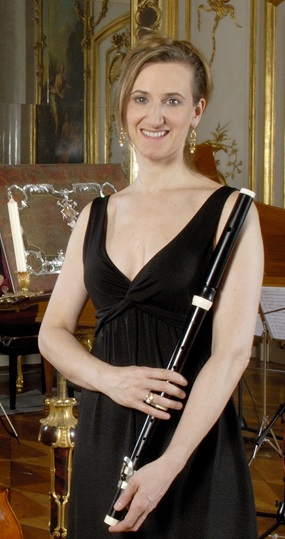
Mary Oleskiewicz was an American flutist and musicologist. The world’s leading authority on the music and flutes of Johann Joachim Quantz (the pre-eminent flutist-composer of eighteenth-century Europe), she made first recordings of many of Quantz’s compositions. This webpage contains links to a selection of Mary’s original research and creative work. For a biography of Mary, click here.
In addition to her work as a musician and musicologist, Mary was active as a professional dancer and teacher of Argentine tango and as a prize-winning photographer. Below are links to samples of her work in each of these categories, with brief descriptions. To conserve space on my website, some of these links go to YouTube or other sites. I apologize for any broken links!
David Schulenberg
January 5, 2026
Argentine tango
Mary was an accomplished dancer and teacher of Argentine tango and of other Latin American dance forms. She also played tango music not only on the flute but on the bandoneòn. Her study of tango led her to take several extended trips to Buenos Aires, and she also participated in tango festivals and similar events across the US and in Germany. Unfortunately I have been able to find only a few videos of Mary dancing or playing tango music
New England Tango Academy 2016, with Marco Cavallari. Mary danced and taught with Marco for several years in the Boston area as M and M or as Mary and Marco.
Brazilian tango, 2016. Another clip of Mary and Marco.
La cara de la luna, arranged by Mary, at Qtango, 2012. This is Mary’s arrangement of a famous tango song by Manuel Campoamor.
Concerts and recordings
Mary performed on modern and historical flutes in hundreds of concerts and on five commercial CDs of 18th-century music. There are many audio recordings of her concert performances but only a few videos.
Probably all the music from all five of Mary’s CDs is now easily available on YouTube and Spotify, but the original CDs were accompanied by booklets that include Mary’s program notes and information about performers. Links to the booklets and programs for the five CD booklets are therefore listed first below.
Quantz: Sonatas (Naxos, 2003): CD cover and program; CD booklet.
Quantz: Quartets (Hungaraton, 2004).
Quantz: Sonatas (Hungaroton, 2011): CD cover; CD program and booklet
King Frederick II “the Great” of Prussia: Sonatas (Hungaroton, 2011): CD cover; CD booklet.
Quantz: Concertos (Naxos, 2013): CD program; CD booklet.
Jean-Daniel Braun: Largo and Double for solo flute (1740). Mary had long planned to produce a recording of pieces for unaccompanied flute by Quantz and other 18th-century composers. She performed and recorded Bach’s unaccompanied “Partita” several times, but I have found only a few practice recordings of some of the other music she intended to record. She made this recording at home in 2020.
Condor pasa (on quena). In 2016 Mary traveled to Bolivia and several other South American countries to study native flutes and their music. This example is played on the Bolivian instrument known as the quena.
C.P.E. Bach: Flute Quartets. In 2024 the violist Georgina McKay Lodge proposed that Mary, she, and I play on a concert series sponsored by the Society for Historically Informed Performance in the Boston area. This is a video of one of those concerts from summer 2024. The program was built around three pieces by Carl Philipp Emanuel Bach for flute, viola, and piano, called quartets because the keyboard player’s two hands are counted as separate instruments. The program also included a flute sonata (QV 1:Anh. 43) whose authorship had been debated. Mary, in her scholarly work, demonstrated not only that the composer was Quantz but that it originally consisted of four movements, as performed here, rather than just three that had been previously known. You can see an edition of the sonata here.
Frederick “the Great”: Sonata in A minor (Spitta 21), 2011. This is the first movement of a flute sonata composed by King Frederick II “the Great” of Prussia, who was Quantz’s principal patron and a capable flutist and composer himself (in addition to being a statesman and military leader). Mary’s edition of the score is included below in the “scholarly” section of this collection.
Modern flute recital with Daesik Cha, 2021. Mary performed this recital at the La Grua Center in Stonington, Conn., with Daesik Cha playing an 1886 Chickering piano. The program includes the sonata in E-flat attributed to J. S. Bach (BWV 1033), sonatas by Poulenc and Franck, and Debussy’s Syrinx. The interviews interspersed with the music took place at Mary’s home in Carver, Mass. (with my harpsichord in the background). The video was produced by Christopher Greenleaf.
Quantz: Concerto in G minor (QV5: 206), 2023. This is one of two concertos by Quantz that Mary performed and then recorded with Newton Baroque, directed by Andrus Madsen. This concerto is no. 97 of Quantz’s roughly 300 such works, composed probably around 1740, shortly before he left Dresden to work for Frederick “the Great.” This concerto, like most of Quantz’s, remains unpublished, and this is almost certainly the first modern performance.
Quantz: Concerto in G major (QV5: 174), 2023. This work, no. 161 in the list of Quantz’s concertos, is the only piece by the composer that is widely known and frequently performed – but never with the ornaments and cadenzas heard in this performance.
Quantz: Flute Quartet no.1, 2004. Perhaps Mary’s most remarkable accomplishment as a scholar and musician was when, following up on clues she found in 18th-century documents, she discovered six previously unknown quartets by Quantz. The unique manuscript copies of these pieces were part of an archive that had recently been brought back to Berlin after disappearing during World War II. Together we created an edition of all six works, for flute, violin, viola, and basso continuo (cello plus harpsichord). Mary then produced a series of concert performances of the pieces and a first recording, all within the space of two years (2002–4). This is the first movement of the first quartet, in D major.
Richard Rodgers: “Edelweiss,” 1991. The flute solo on this track from an album by the Australian popular singer Debbie Byrne was Mary’s first commercial recording.
Photography samples
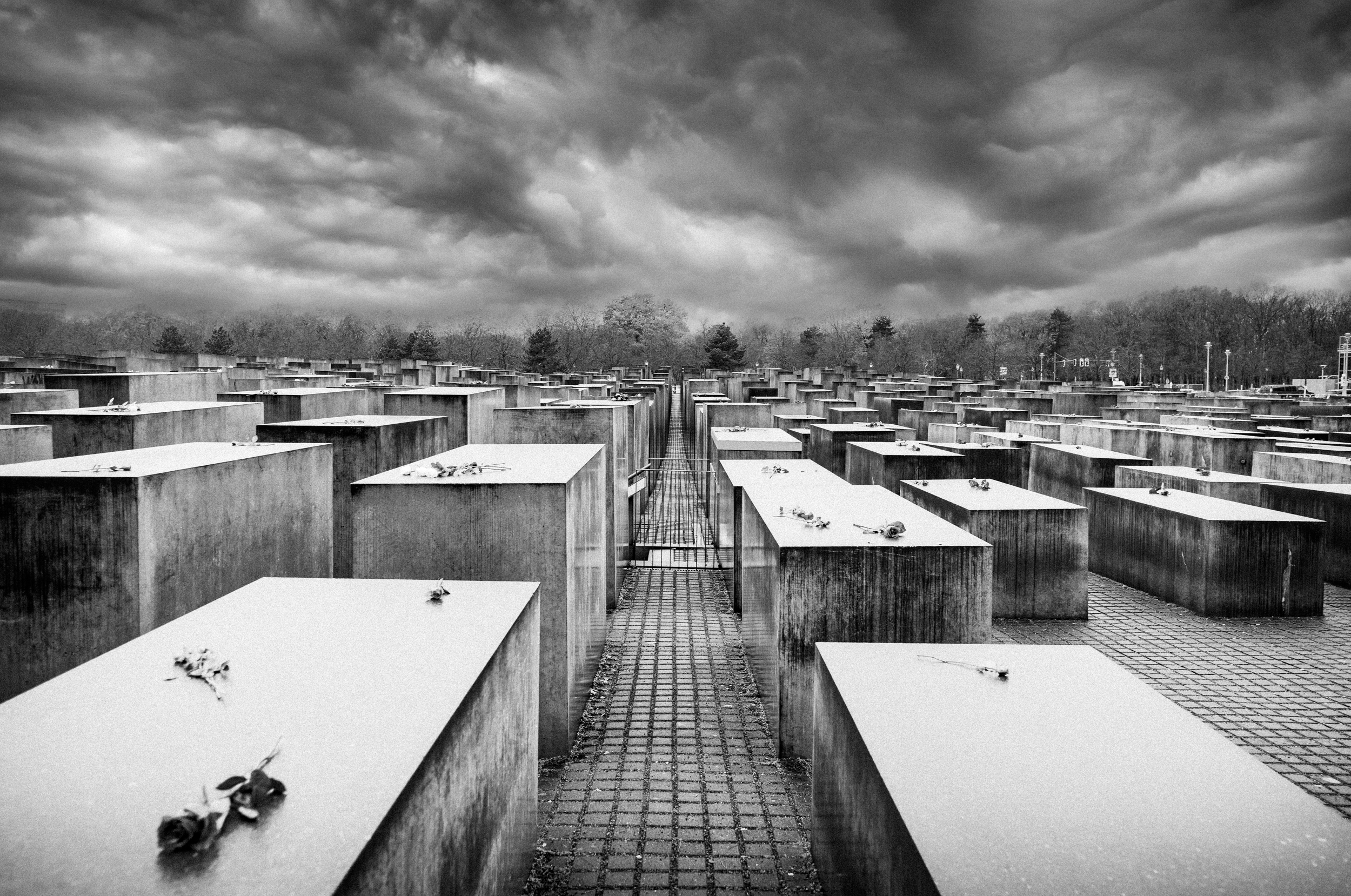
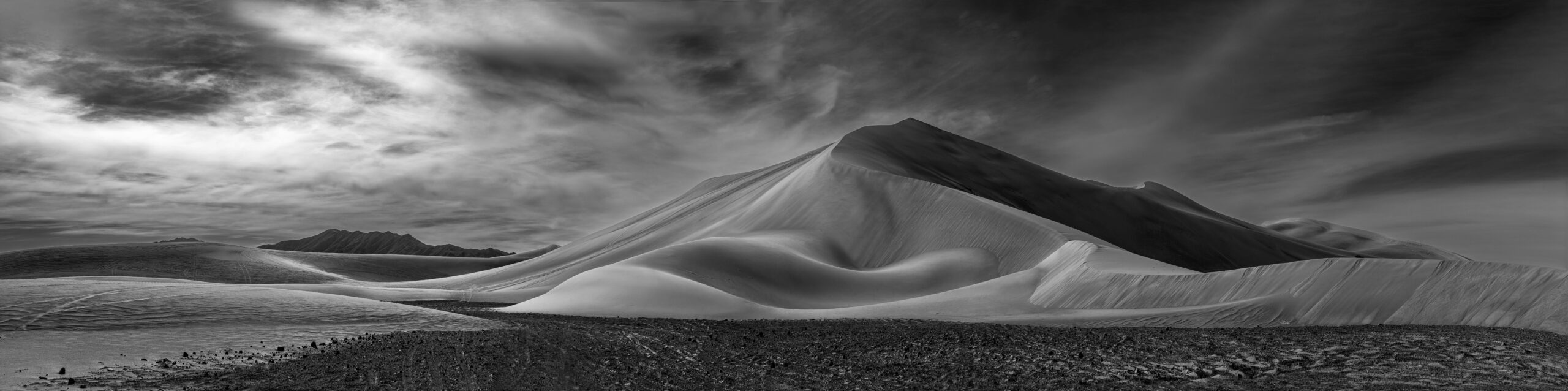
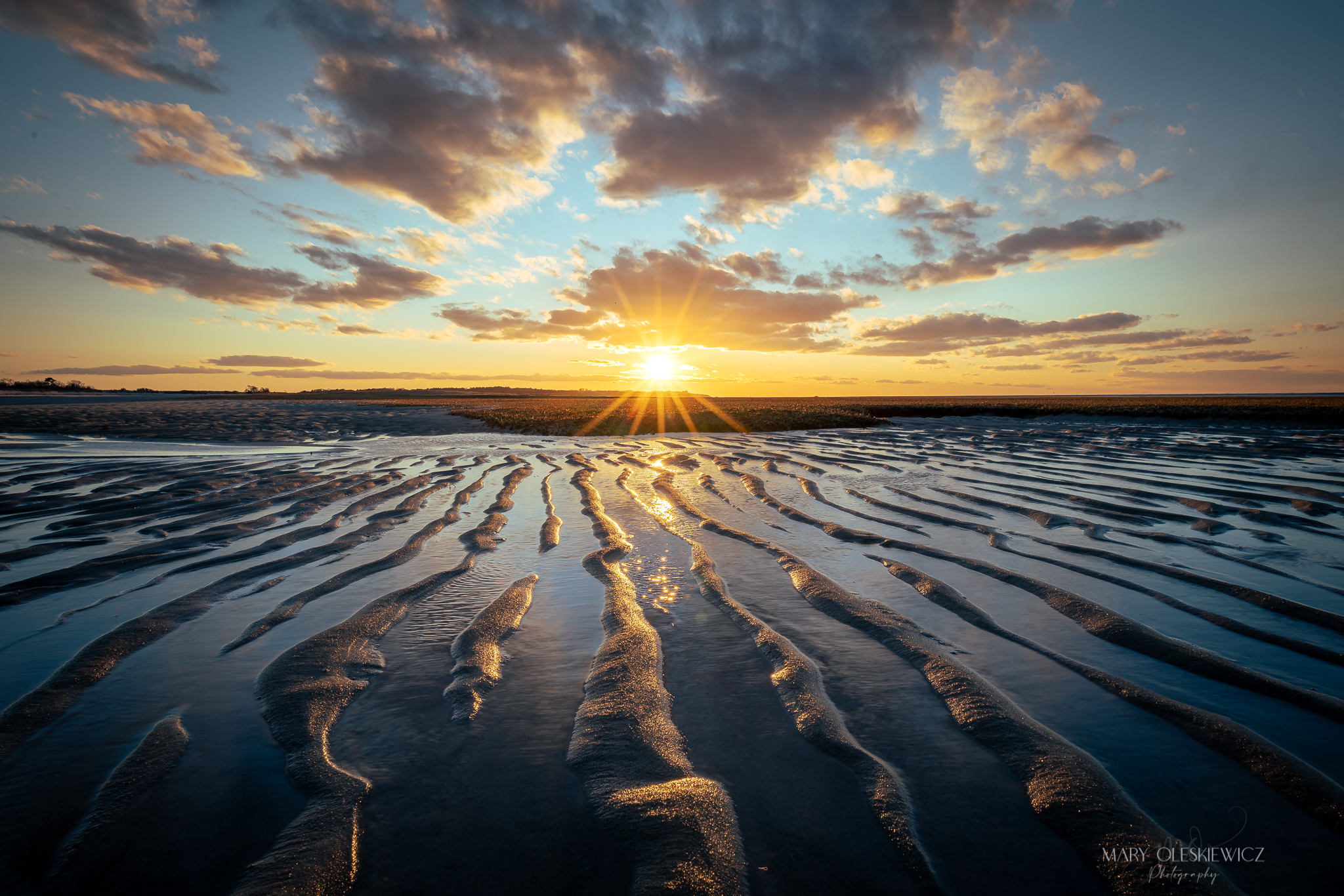
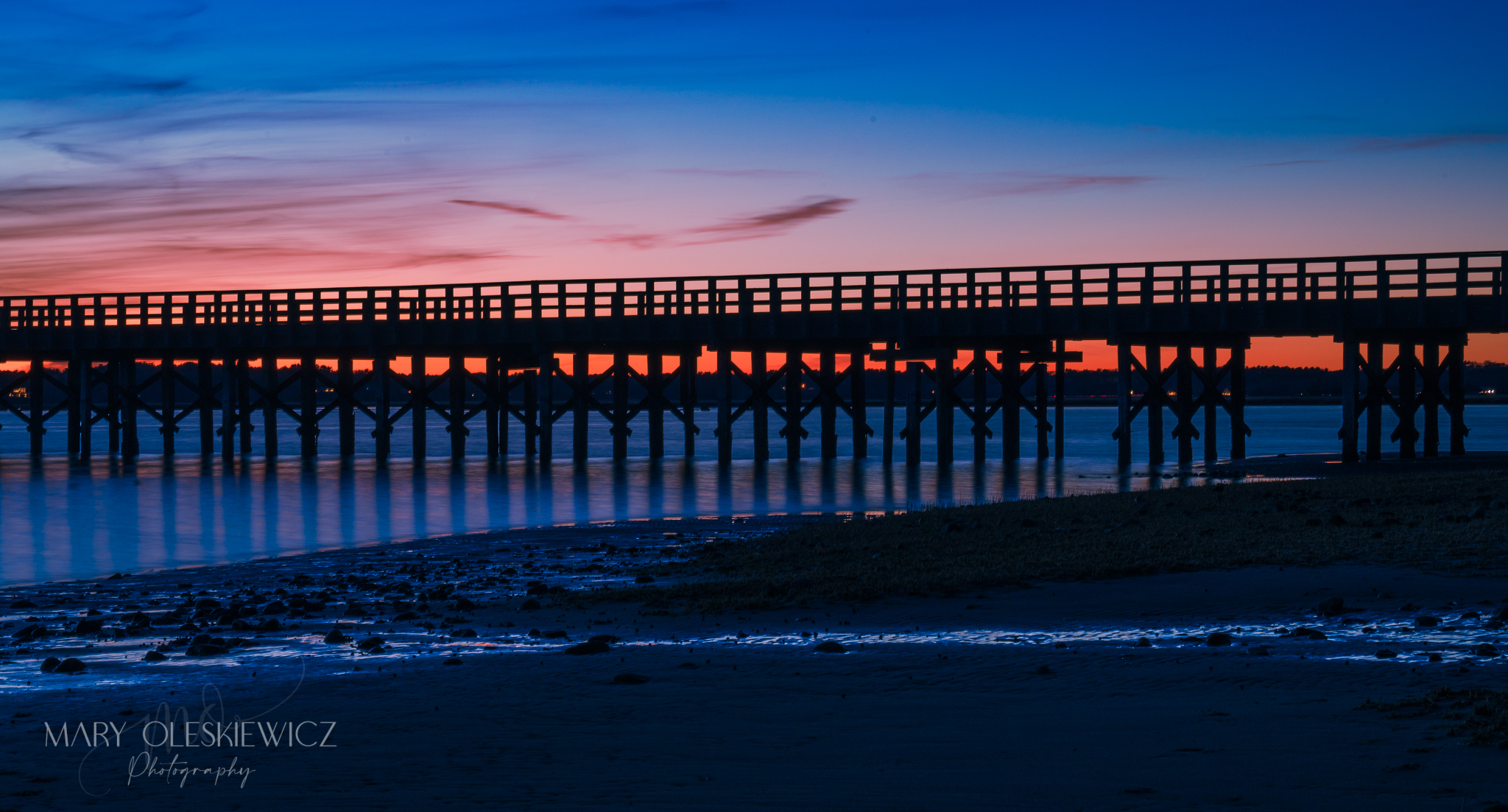
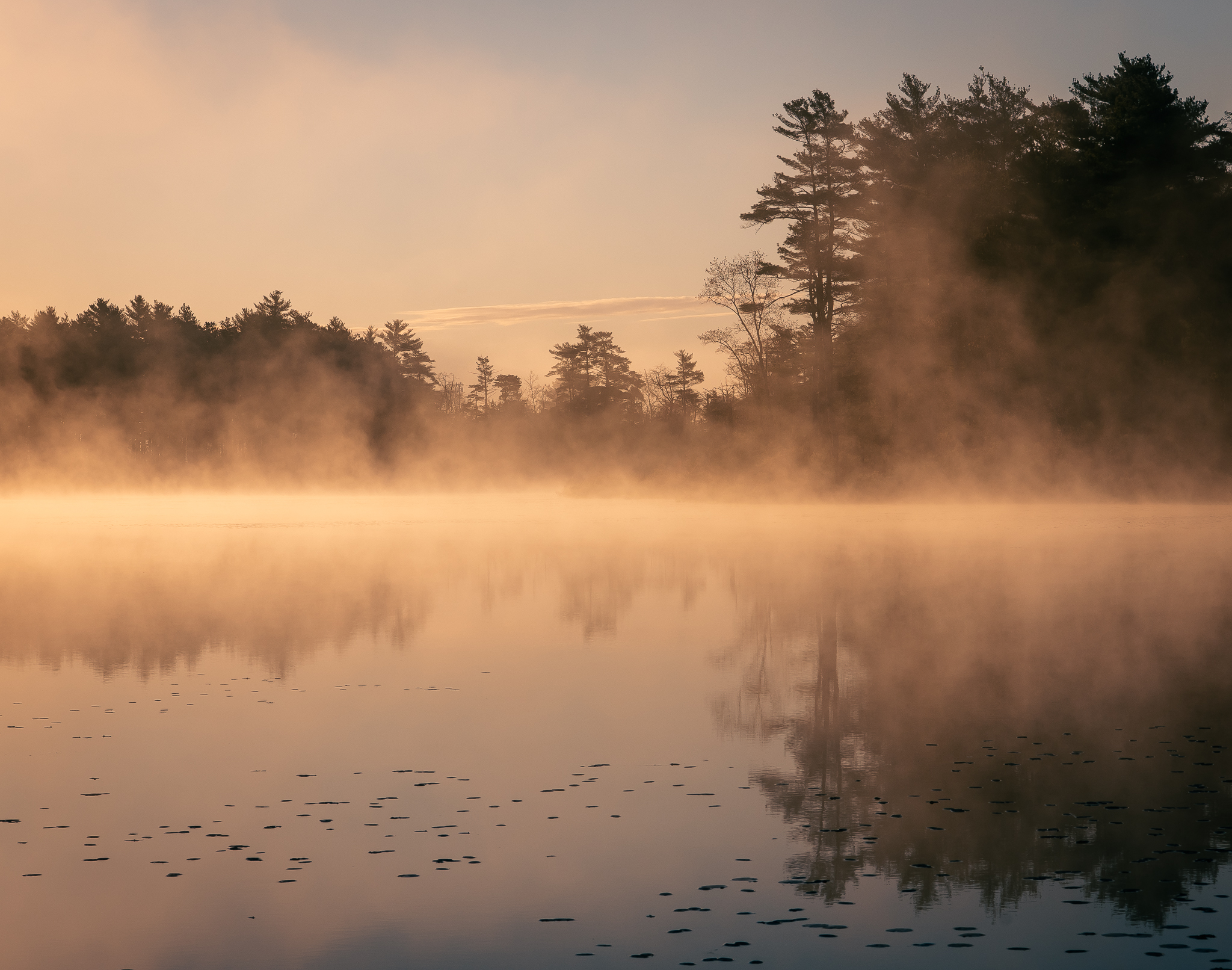
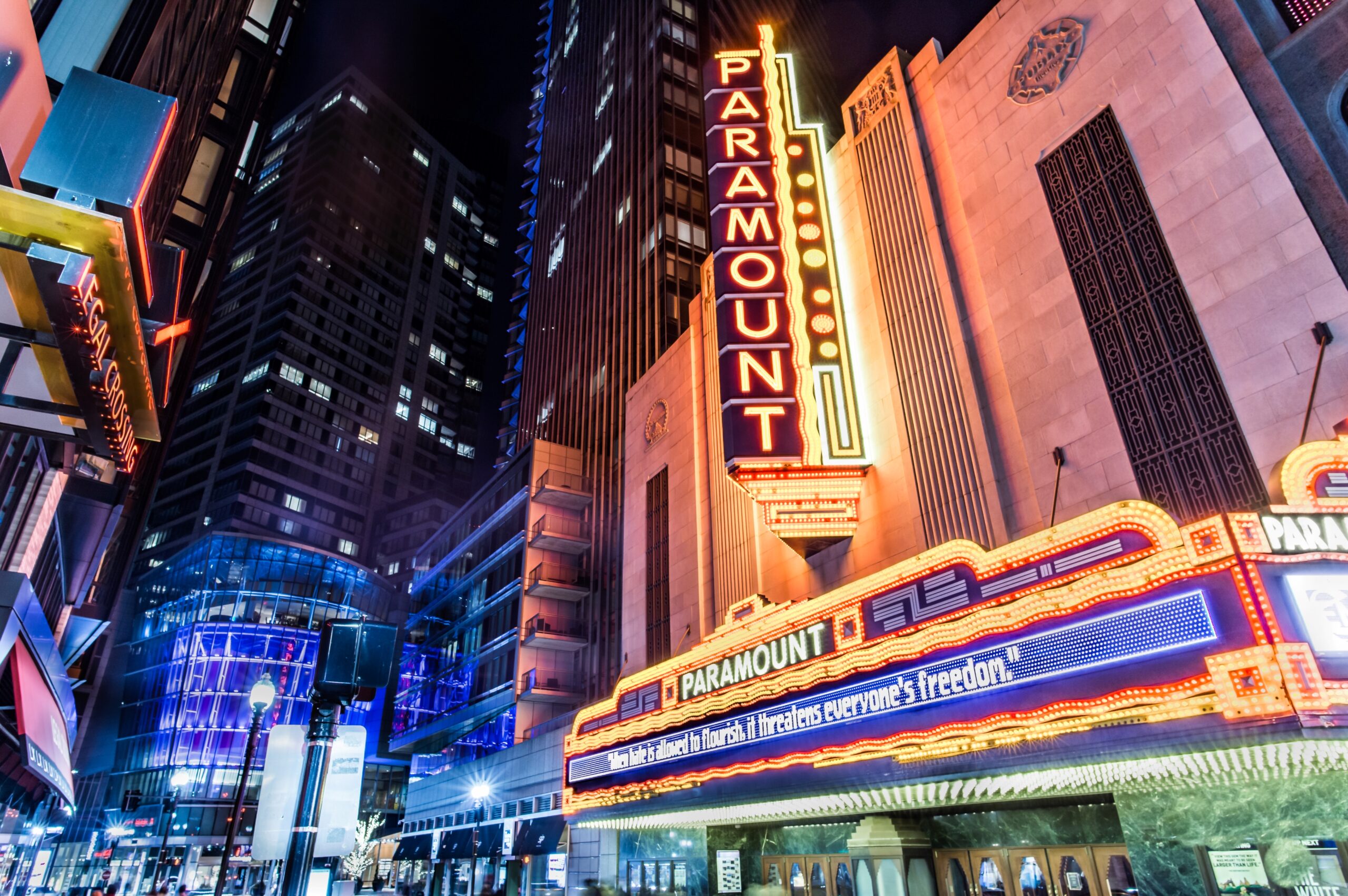
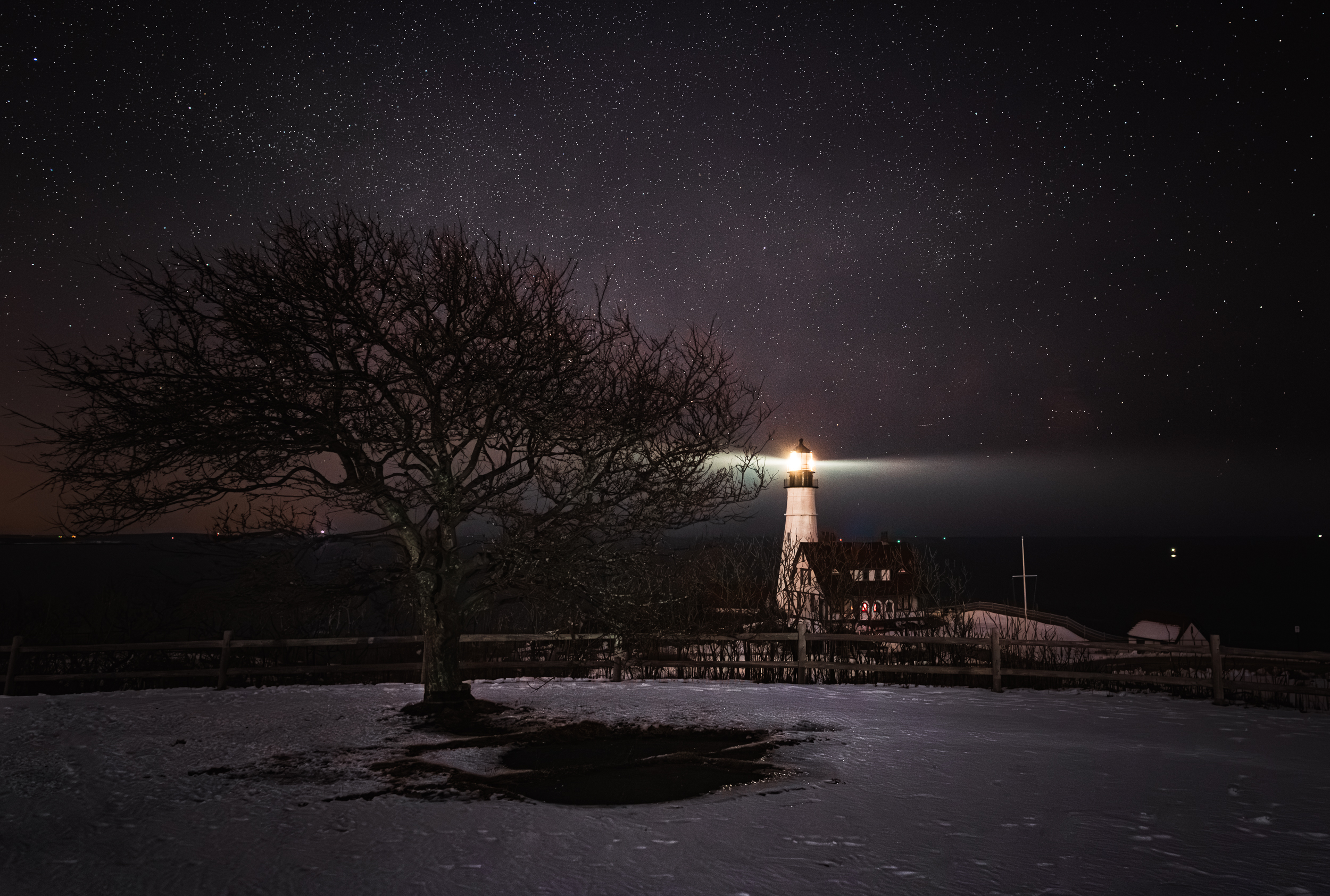
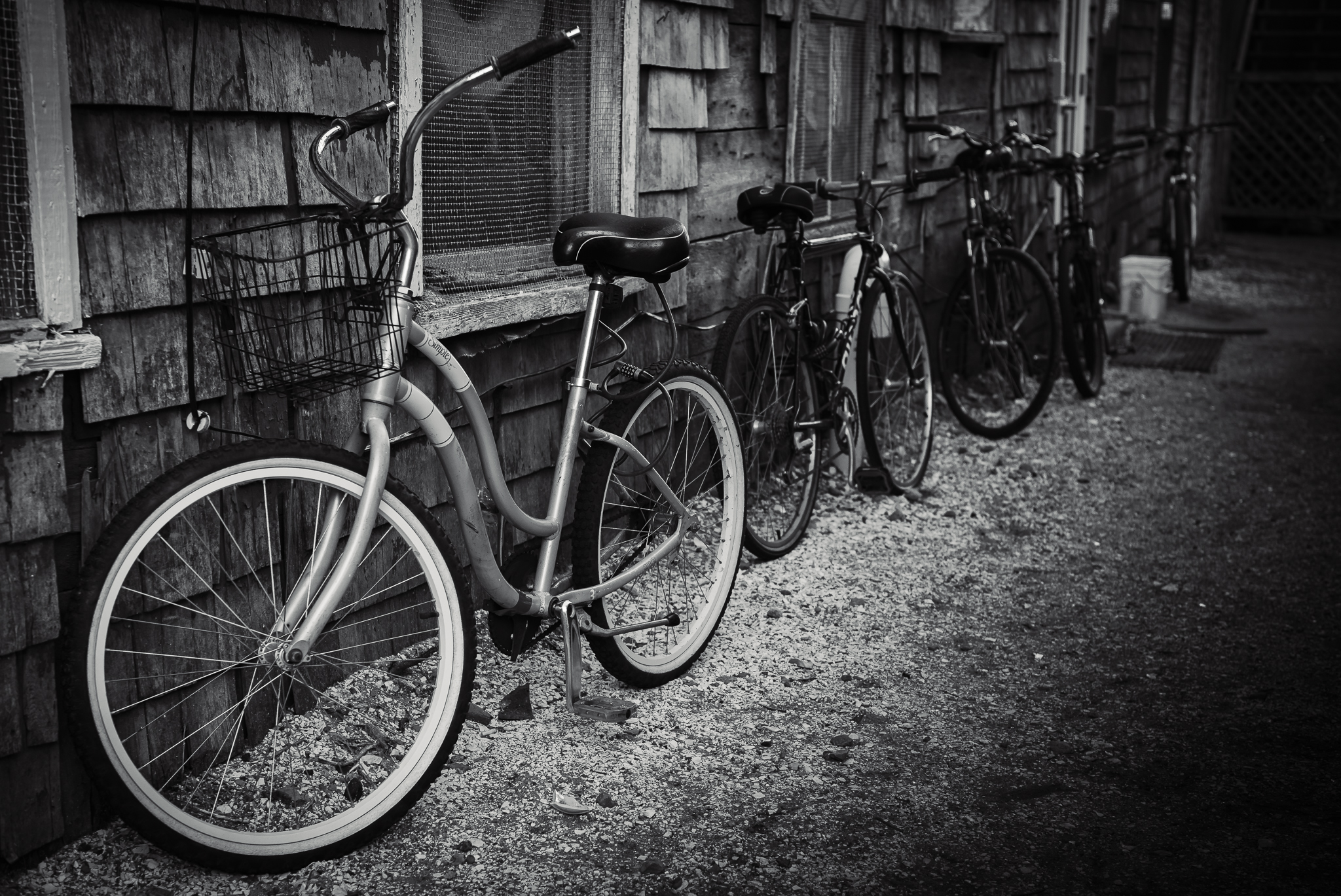
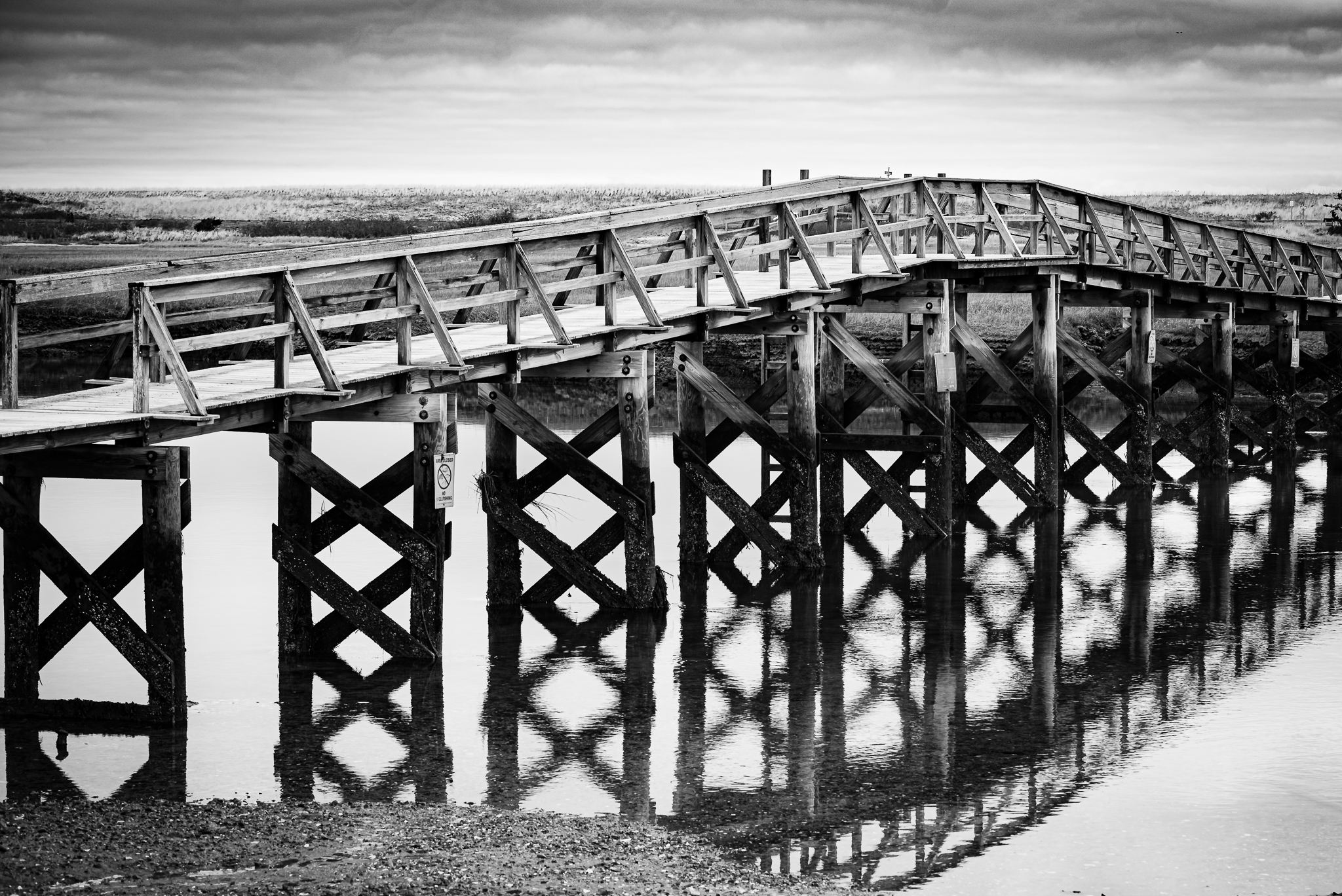
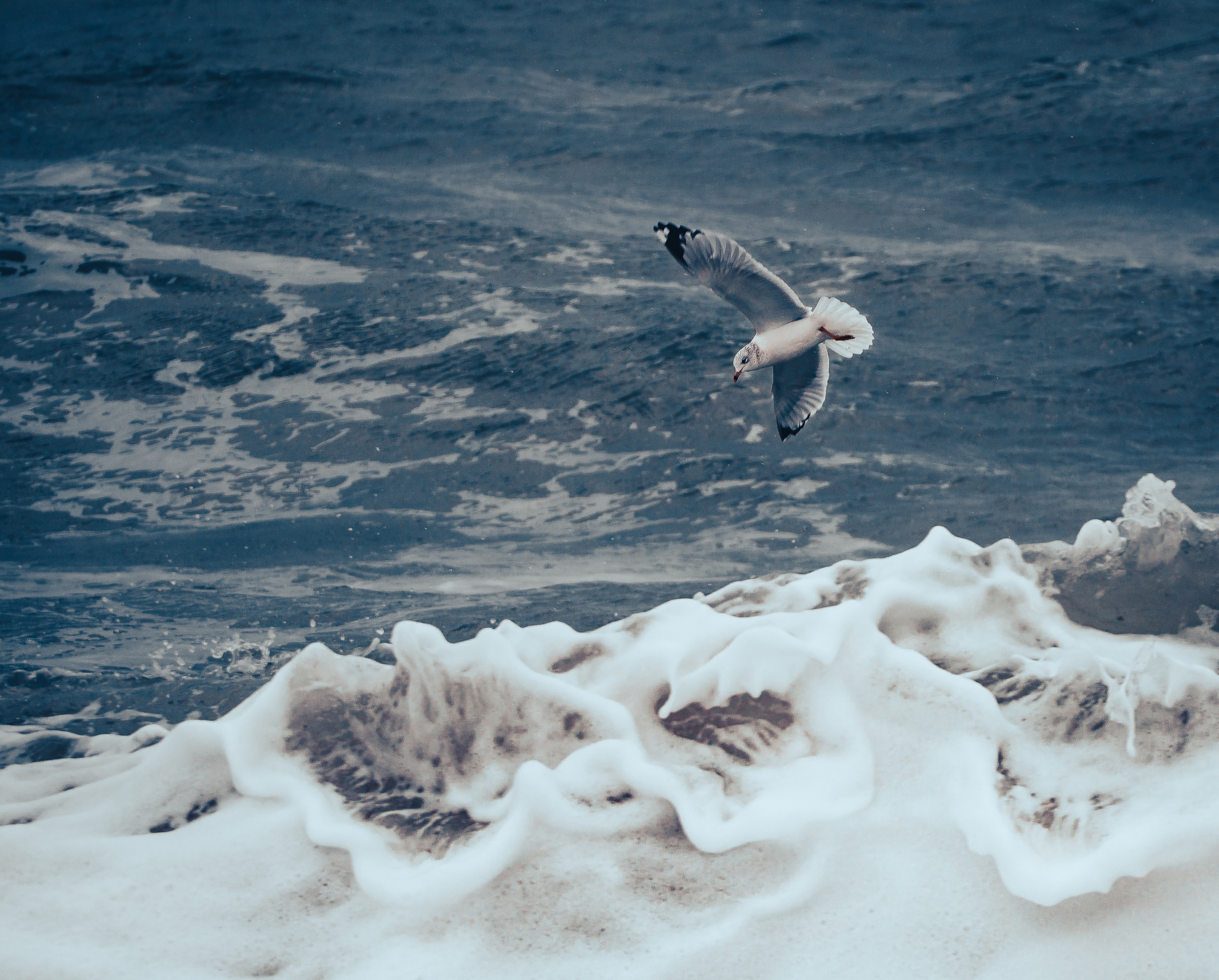
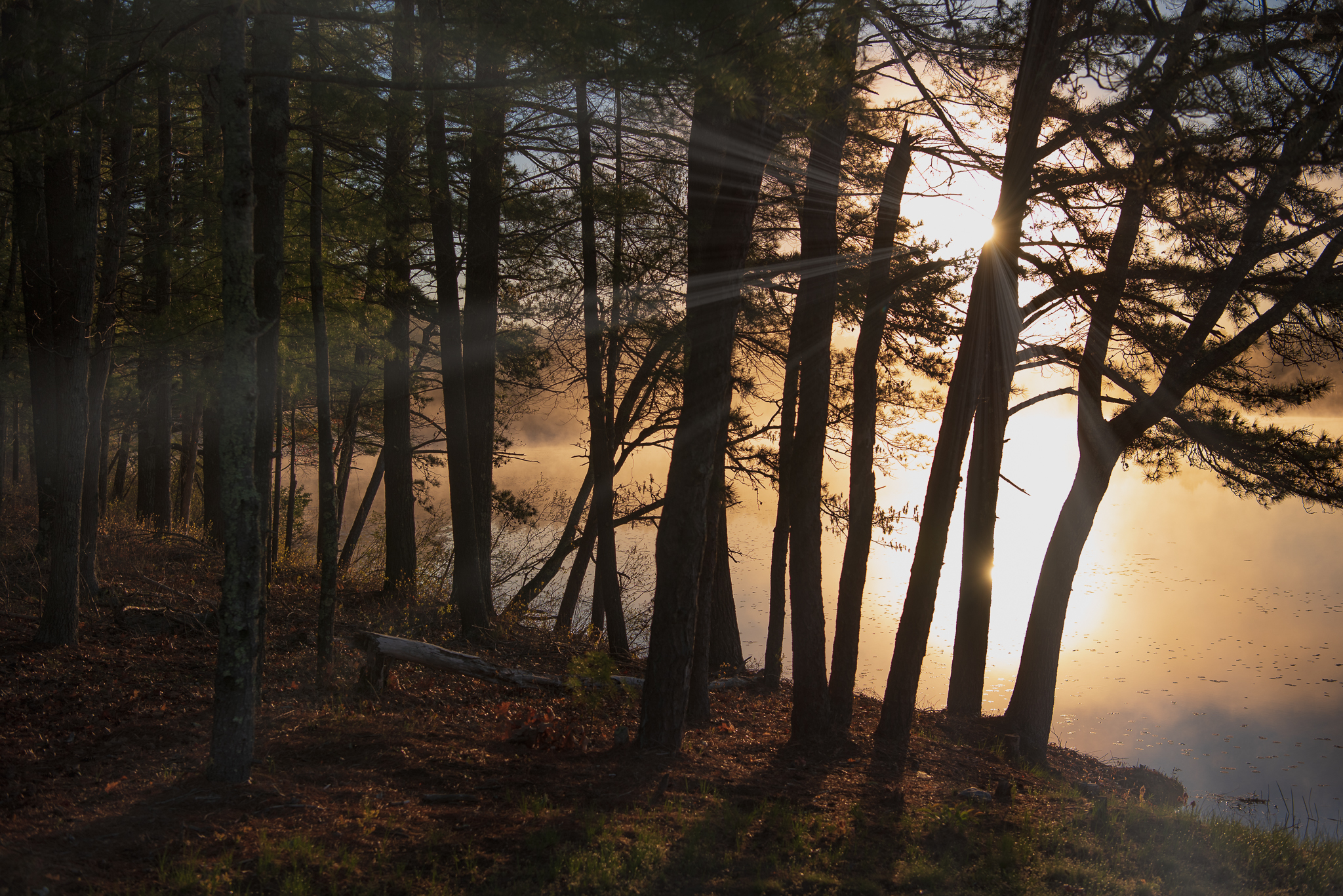
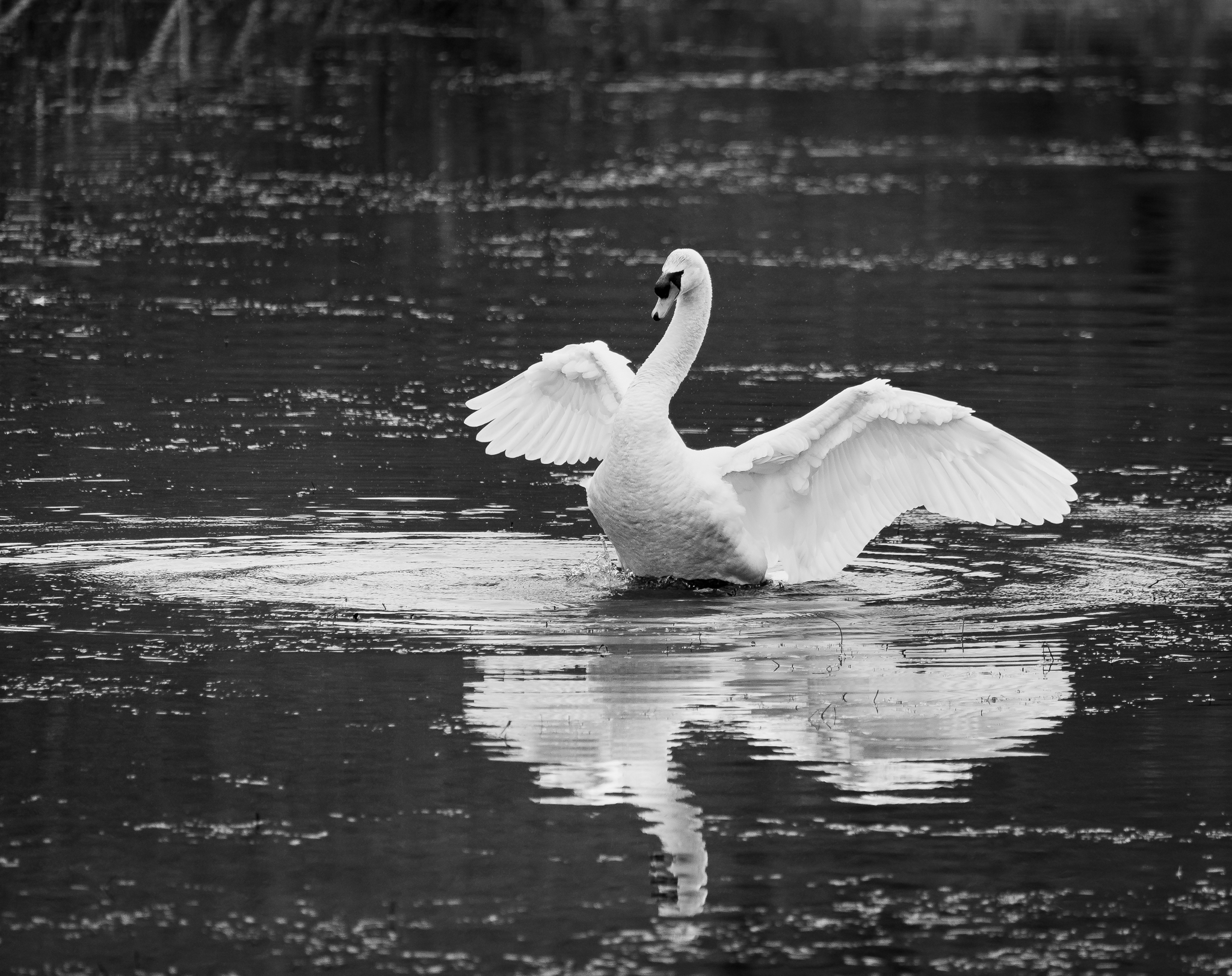
Mary was involved in the visual arts from her student days, and for a while she seriously considered pursuing a second career as a photographer. Particularly after buying a house in Carver, Mass., in 2018 she went frequently on photography expeditions, both locally and internationally. Her work won prizes in regional competitions and has been displayed in galleries in the Plymouth area. Unfortunately I don’t know much about her individual photos and therefore I’ve simply posted a number of selections.
Berlin Holocaust Memorial
Big Dune
Duxbury Beach
Duxbury Bridge
Milky Way – Death Valley
Misty Pond
Paramount 2021
Portland Head (Maine)
Provincetown Alley Bicycles
Sandwich Boardwalk
Seagull
Sunrays at Sunrise
Swan

Scholarly writings, editions, and presentations
Mary never thought of herself primarily as an academic, but she did have a successful career as a university professor and researcher, publishing in major journals in German as well as English. (She had acquired native-speaker fluency in German while holding fellowships in Germany during her graduate studies at Duke University.) Mary’s scholarly work focused on several related areas: organology, that is, the study of musical instruments, especially the eighteenth-century flutes made by Quantz; historical performance practice, that is, the study of how music was performed in the past, again with a focus on eighteenth-century European flute music; and historical musicology, which includes composer biography as well as evaluating musical manuscripts and editing their contents in modern notation. Mary already made major contributions to all three of these research areas in her Duke University dissertation, completed in 1998. She continued her research into her last months, giving her final conference presentation a few weeks before her death. She published not only on Quantz but also on the music of Prussian king Frederick II “the Great” and members of the Bach family: the famous Johann Sebastian Bach as well as his sons Wilhelm Friedemann and Carl Philipp Emanuel.
Some of the selections listed below are highly technical. But Mary also wrote for popular publications such as Flutist Quarterly, and she gave public talks and other presentations. I’ve tried to provide a sampling of each of these types of scholarly work.
Quantz the master composer. This is an English-language version of a talk that Mary gave in December 2023 at a Quantz conference in Berlin. In it she brought together a life’s work of findings, identifying authentic and inauthentic sonatas and concertos attributed to Quantz, creating a timeline for when these works were composed, and summarizing key elements of Quantz’s style and development as a composer.
Bach sons podcast (2019). In 2017 Mary was chosen by the American Bach Society to edit a volume of its publication Bach Perspectives focusing on the sons of Bach. This podcast with Carrie Allen Tipton reflects on that volume.
Frederick “the Great” (2012). For the three hundredth birthday of Prussian king Frederick II (known as “the Great”), Mary wrote this article for Flutist Quarterly, summarizing her research not only on the king’s compositions but also on his flutes, made for him by Quantz.
Frederick “the Great”: Flute Sonata in A minor, Spitta no. 21 (2012). This is Mary’s edition of one of the king’s flute sonatas. An audio file is listed above under “Concerts.”
Frederick “the Great”: Flute Sonatas, introduction (2012). Mary’s preface and other verbal matter accompanying her edition of four sonatas by the king.
“Hole Truth” article (2001). In 1999, during a European research trip that took us to London, Brussels, Amsterdam, and a number of cities in Germany, Mary took a close look at a famous and widely reproduced painting of early 18th-century musicians. She discovered that an odd mark on a flute depicted in the painting was not a finger hole, as everyone had thought, but a speck of dirt. That led to this article clarifying the nature of that particular type of flute.
“Hole Truth” article in German (2006). The same article was reprinted a few years later in German.
Keyboards and Music Rooms article (2017).pdf. The most substantial article in the Bach Perspectives volume edited by Mary was her own essay that combined her interests in musical instruments and the visual arts. Examining not flutes but keyboard instruments – harpsichords and pianos – this essay showed how Frederick the Great and other family members equipped the music rooms in each of their palaces. This article was accompanied by a companion website (https://www.press.uillinois.edu/books/?id=c041488&supp=1).
Peter Williams obituary (2016).pdf. In this notice Mary painted an unconventional portrait of her dissertation adviser Peter Williams.
Quantz: Flute Quartet no. 1 (2004). This is Mary’s edition of the first of the six Quantz flute quartets. An audio file is listed above under “Concerts.”
Quantz Flute Quartets article (2005). In this article Mary reports the discovery and identification of Quantz’s six quartets for flute, violin, viola, and basso continuo (cello and keyboard).
Quantz Capriccio article (2010). Originally given as a talk at a 2010 conference in Dresden (Germany), this paper discusses several newly identified autograph manuscripts of the composer, including one containing what may have been his very first flute composition.